
Flood disaster: The psychological distress after the flood disaster
18. Oktober 2021 · 3 Min. lesen
Podcast: Download (Duration: 4:31 — 3.1MB)
A witness statement
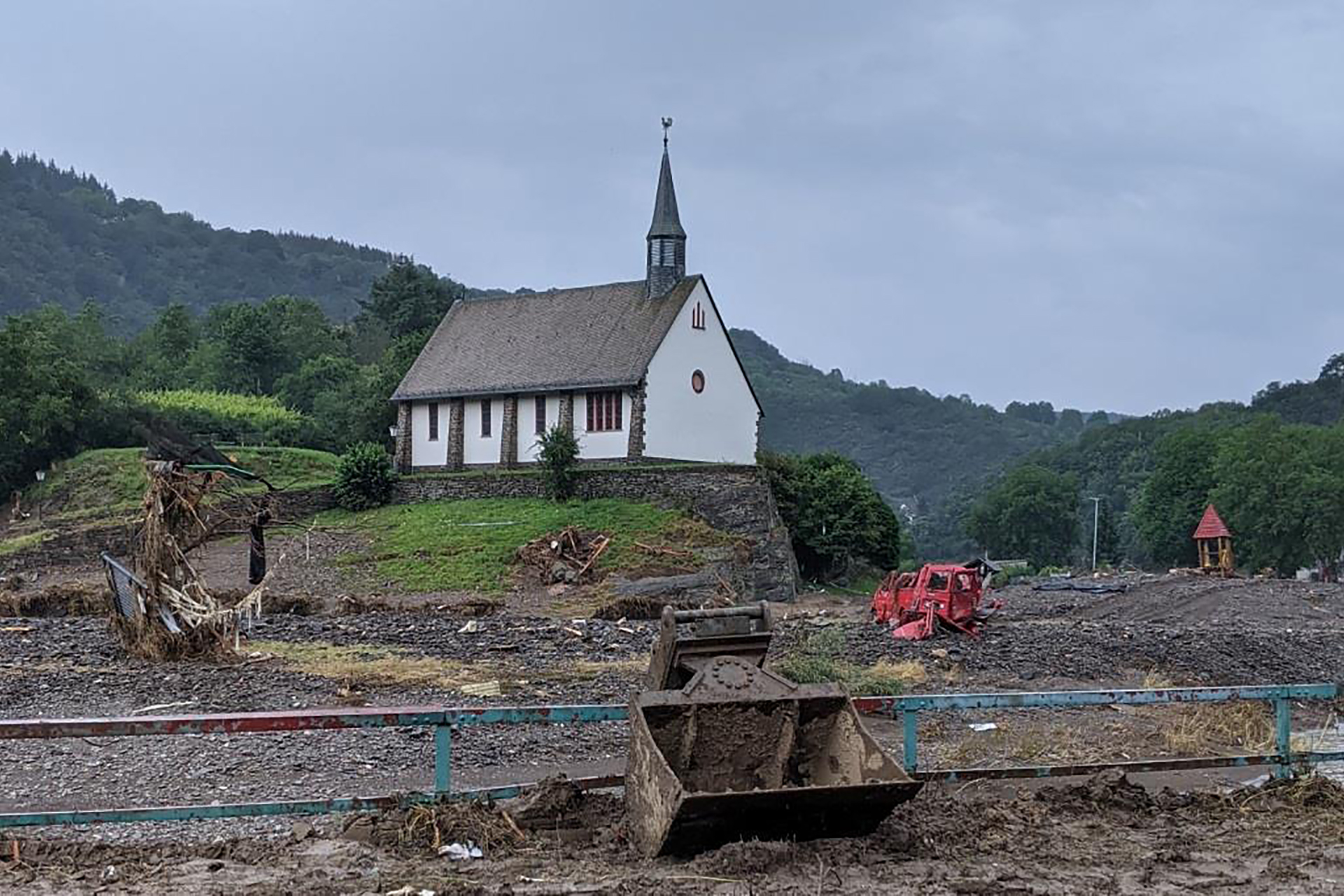
On July 17, 2021, two days after the devastating flood, several volunteers were dispatched to Antweiler to help residents clear their homes of mud, debris, and all sorts of rubbish. When some young men from Mission Stephanus arrived at one of the houses to lend a hand, they encountered a completely discouraged and hopeless-looking homeowner. She explained that the flood had completely destroyed her basement and that she herself didn't yet have the strength to go down there to even assess the damage.
Without much ado, the helpers got to work. Towards evening, when the cleanup work was finished and they were getting ready to leave, they had a moving conversation with the deeply depressed woman.
She recounted how she had suffered many blows of fate in recent years, beginning with the death of her husband and several other tragic events. When, to top it all off, the flood came, she contemplated ending her life. Everything that had once had meaning had lost its significance. And so she pondered how she could take her own life.
When the young men suddenly appeared at the door in the morning and energetically got to work, and especially when the cellar and the grounds were cleaned up within a single day, she regained her courage to live.
When the helpers heard this testimony, they told the homeowner about the meaning of life. They were able to freely share that Jesus Christ himself loved them and encouraged her to get to know him better.
People in need
Many of the flood victims lost everything they owned in an instant: homes, savings, all their possessions, and even family members. What remains are traumatic memories of the raging, all-consuming floodwaters, the last cry of a missing child, or the desperate, pleading looks of drowning people who could not be helped.
Those affected by this catastrophe are seeking comfort and some kind of support to avoid succumbing entirely to depression and despair. It is striking that people who lack a foundation of faith and are not rooted in the Christian faith find it particularly difficult to process all these terrible events.
Pray for the flood victims
In May of this year, an interesting vision was presented during a youth service in a church in southern Germany. The vision showed the foundation of a house, which had been buried under sand and earth. Workers were shoveling the foundation clear, and as they did so, they prayed for the unsalvaged souls. This vision, which foreshadowed the devastating floods, became reality two months later. We are witnessing how many believers, through their active support with shovels and brooms, as well as through prayer and song, were able to help many flood victims.
When people with genuine compassion and the love of Christ are willing to share in the suffering of the victims, it has a healing effect on the traumatized individuals. In difficult situations like this disaster, those affected are more willing to listen to the helpers, because they are the first responders.
Conclusion
“Do not withhold a favor from someone to whom it is due, when it is within your power to do it!” (Prov 3:27).
It should be noted that beyond the practical aid provided in the disaster area, there were countless opportunities to actively bear witness to Jesus Christ – sometimes even with words. This quiet evangelism currently seems to be one of the most effective methods for proclaiming Jesus Christ.
Walter Gesswein,
Municipality of Speyer